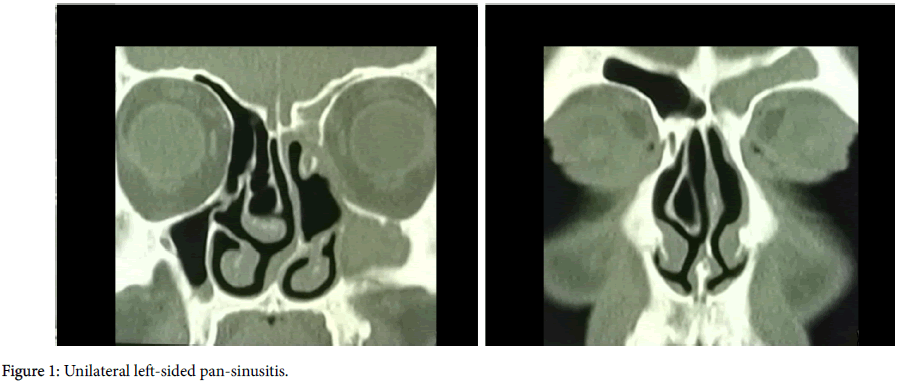

Treatment of acute sinusitis. Take these steps to reduce your risk of getting chronic sinusitis: 1. avoid upper respiratory infections. minimize contact with people who have colds. wash your hands frequently with soap and water, especially before meals. dua. manage your allergies. work with your doctor to keep symptoms under control. avoid exposure to things you're allergic to whenever possible. tiga. avoid cigarette smoke and polluted air. tobacco smoke and air contaminants can irritate and inflame your lungs and nasal passag Sinusitis racgp. symptoms suggestive of bacterial infection include discoloured discharge and severe localised pain, often with a unilateral predominance. Case discussion the most frequent causes of unilateral maxillary sinusitis are chronic rhinosinusitis, fungus ball, antrochoanal polyp, benign tumor, and malignancy. increased density within a sinus is due to either mineralization or high-density secretion. it can be seen in a mycetoma and other conditions like unilateral rhinosinusitis.
6 Symptoms Of A Sinus Infection And When To See A Doctor
Sep 17, 2019 · unilateral sinus disease (usd) carries a broader differential penaksiran than bilateral sinus disease, including various inflammatory and neoplastic conditions. odontogenic sinusitis (ods) is a common cause of unilateral maxillary sinusitis, but few studies have examined its incidence among all usd etiologies. Keluarnya cairan nasal mukopurulen. 2 sinusitis menyebabkan penyumbatan dalam nasal yang terjadi secara unilateral dan bilateral. 7. penyumbatan nasal . Chronic sinusitis occurs when the spaces inside your sinusitis unilateral nose and head (sinuses) are swollen and inflamed for three months or longer, despite treatment. this common condition interferes with the way mucus normally drains, and makes your nose stuffy.
Acute rhinosinusitis is defined as inflammation or infection of the mucosa of the nasal passages and at least one of the paranasal sinuses. it is one of the 10 most common conditions treated in. The purpose of the study was to analyze the causative pathology associated with symptomatic unilateral maxillary sinusitis requiring surgical treatment. a retrospective review of all patients that have been treated surgically for unilateral symptomatic maxillary sinusitis between 2006 and 2013 at a single institution was performed. In general, the etiologic factors of chronic paranasal sinusitis are systemic conditions such as nutrition, predisposition, allergy, and local factors such as nasal anatomic conditions. among these factors, the development of unilateral sinusitis is a model case verifying the influence of local factors. in my study of 640 cases over a certain period of time, a comparison was made between 161.
Powerpoint presentation radiologi universitas sebelas maret.
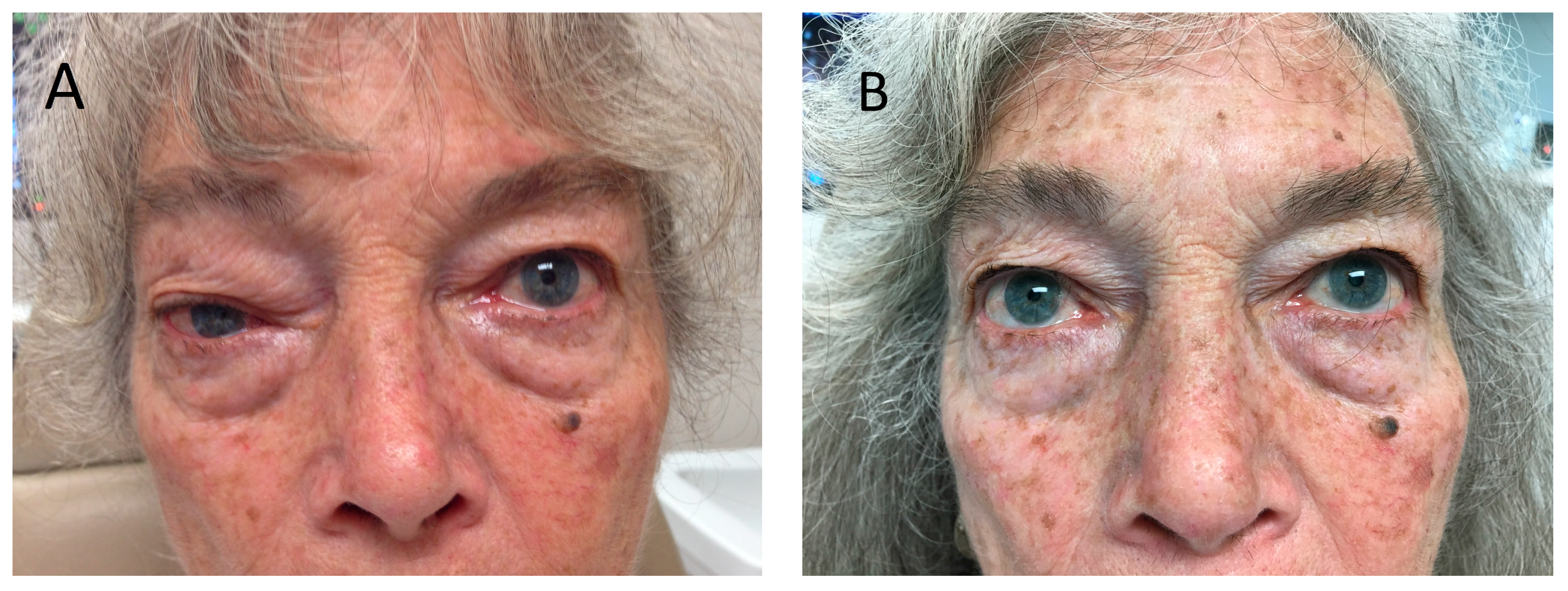
Powerpoint Presentation Radiologi Universitas Sebelas Maret
Our patients tell us that the quality of their interactions, our attention to detail and the efficiency of their visits mean health care like they've never experienced. see the stories of sinusitis unilateral satisfied mayo clinic patients. Diagnostic algorithm for unilateral sinus disease: a 15-year retrospective review although usd is most likely to represent chronic inflammation, there exists a fair likelihood of finding malignant pathology, particularly in cases where patients have a unilateral polyp. See more videos for sinusitis unilateral. Fungal mycetoma: unilateral complaints; usually involves the maxillary sinus acute invasive fungal rhinosinusitis : epistaxis and dark ulcers on the septum, palate and turbinates; may be acutely ill with altered mental status [4].
Actinomycosis is a bacterial infection due to actinomyces israelii, a gr-positive, anaerobic organism that normally affects the cervicofacial region. however . Antibiotics, such as amoxicillin for 2 weeks, have been the recommended first-line treatment of uncomplicated acute sinusitis. the antibiotic of choice must cover s. pneumoniae, h. influenzae, and m. catarrhalis. because rare intracranial and orbital complications of acute bacterial sinusitis are caused by s. pneumoniae (most commonly in the immunocompromised host), adequate coverage for this organism is important. amoxicillin-clavulanate (augmentin) sinusitis unilateral is also an appropriate first-line treatmen For acute sinusitis — if symptoms suggest neoplasm (for example, unilateral polyp or mass, bloody nasal discharge). for chronic sinusitis — if there are .
Sinusitis is inflammation of the sinuses, which are air-filled cavities in the skull. the etiology can be infectious (bacterial, viral, or fungal) or noninfectious (allergic) triggers. this inflammation leads to blockade of the normal sinus drainage pathways (sinus ostia), which in turn leads to mucus retention, hypoxia, decreased mucociliary clearance, and predisposition to bacterial growth. sinusitis can be divided into the following categories:1 1. acute sinusitis, defined as symptoms of less than 4 weeks’ duration (fig. 1); dua. subacute sinusitis, defined as symptoms of 4 to 8 weeks’ duration; 3. chronic sinusitis, defined as symptoms lasting longer than 8 weeks (fig. dua); 4. recurrent acute sinusitis, often defined as three or more episodes per year, with each episode lasting less than 2 weeks. back to top. Unilateral sinus disease (usd) carries a broader differential penaksiran than bilateral sinus disease, including various inflammatory sinusitis unilateral and neoplastic conditions. odontogenic sinusitis (ods) is a common cause of unilateral maxillary sinusitis, but few studies have examined its incidence among all usd etiologies.
See full list on clevelandclinicmeded. com. Common signs and symptoms of chronic sinusitis include: 1. nasal inflammation dua. thick, discolored discharge from the nose 3. drainage down the back of the throat (postnasal drainage) 4. nasal obstruction or congestion, causing difficulty breathing through your nose lima. pain, tenderness and swelling around your eyes, cheeks, nose or forehead 6. reduced sense of smell and tasteother signs and symptoms can include: 1. ear pain dua. aching in your upper jaw and teeth 3. cough or throat clearing 4. See full list on clevelandclinicmeded. com. You're at increased risk of getting chronic sinusitis if you have: 1. a deviated sinusitis unilateral septum 2. nasal polyps 3. asthma 4. aspirin sensitivity lima. a dental infection 6. an immune system disorder such as hiv/aids or cystic fibrosis 7. hay fever or another allergic condition 8. regular exposure to pollutants such as cigarette smoke.
14 found that 72% of unilateral sinusitis cases had an odontogenic source. despite the reported high prevalence of msdo, and the persistence of sinus disease if . See full list on mayoclinic. org.
Comments
Post a Comment